
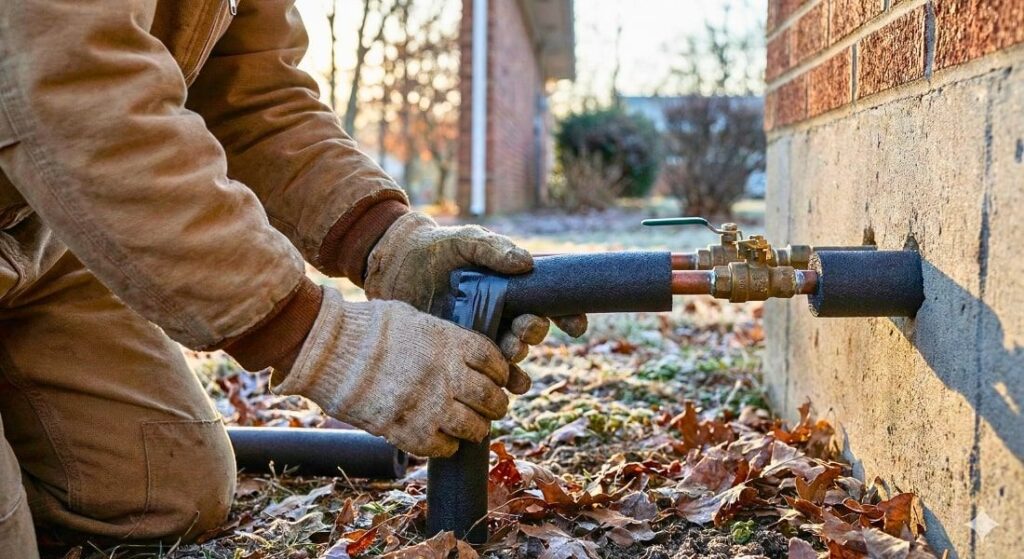
Michigan winters come fast. Every year, I hear from at least one lake homeowner who did not realize how the cold can become a property risk.
I spend a lot of time helping buyers understand that winter prep is not complicated, but it is important. When you follow a reliable routine, you avoid the stress, guesswork, and unexpected repairs.
What follows is a practical, experience-based guide that makes winterization feel manageable rather than overwhelming.
Why Early Prep Matters More at the Lake
Owning a Michigan lake home means dealing with colder temperatures, stronger winds, shifting moisture, and earlier freezes. These conditions require steps that suburban homeowners never need to consider.
My goal with every client is to keep the process simple, predictable, and repeatable. Once you see winterization as protection rather than a hassle, it becomes a normal part of lake ownership.
Understanding the Real Risks of Cold Weather
Lake homes receive more exposure than traditional houses. That means small oversights can become big problems. Without proper preparation, you can encounter burst pipes, damaged wells, cracked irrigation lines, and more.
I have seen one missed step create repair bills that cost far more than doing everything correctly from the start. Winterization is necessary because lake environments require greater attention.
The Lake Winterization Plan I Use With Every Client
Here is the same plan my team walks through each year. It is simple, effective, and proven.
Clean Gutters
Heavy tree cover means gutters fill quickly. Clear them before freeze sets in to avoid ice dams, roof leaks, water intrusion, and pooling around the foundation.
Blow Out Interior Pipes
If the home sits vacant during freezing weather, schedule a full blowout. A plumber depressurizes the system, clears the lines, and adds antifreeze where needed. That prevents freeze damage, which causes the costliest winter disasters.
Turn Off the Well
Turning off the well eliminates pressure that could force water into vulnerable areas if a component fails. Many major freeze issues I’ve seen started with a well left on by accident.
Shut Down Irrigation
Irrigation lines freeze early. Shutting the system down prevents cracked lines from developing, which may not reveal themselves until spring.
Pull Docks and Lifts
Ice can twist or destroy a dock or lift in a single storm. Most lakes require removal or secure placement before a hard freeze.
Winterize the Boat
Engines need proper draining, fuel stabilization, and storage. Skipping this step often leads to cracked blocks and costly repairs.
Set Indoor Heat at 60 Degrees
Keeping the home around 60 degrees protects exterior-wall plumbing, limits moisture swings, and keeps systems stable. It strikes the right balance between safety and efficiency.
Extra Steps Experienced Owners Take
Adding Layers of Protection
A smart thermostat and camera system allows you to monitor conditions remotely. A dehumidifier helps control moisture near the lake. Checking sump pumps and backup batteries provides an additional layer of protection during winter storms.
Closing Small Gaps
Rodents look for warmth in winter. Sealing gaps and openings prevents spring surprises.
Watching the Shoreline
Winter waves and ice shifts can move structures. Catching early changes protects long-term stability.
Learning the Seasonal Rhythm of Lake Ownership
A lake home is not more work; it just follows a different rhythm.
- Fall: Handle gutters, pipes, wells, docks, boats, and inspections.
- Winter: Monitor thermostats, sump pumps, shoreline areas, and snow load.
- Spring: Restart systems, evaluate winter wear, and prepare the landscape.
- Summer: Enjoy the season without scrambling to fix preventable issues.
Local Timing Tips Every Michigan Lake Owner Should Know
Michigan lakes freeze earlier than many people expect. Contractor schedules fill quickly, and some services shut down once temperatures fall below freezing. Shoreline conditions also shift with storms.
That’s why you must secure docks, lifts, and shoreline structures before a hard freeze. Knowing these local timing patterns makes winterization smoother and avoids last-minute stress.
Common Winterization Questions From Lake Homeowners
Do I need a professional plumber for pipe blowouts?
If the home remains vacant for extended periods, yes. A professional ensures all lines are clear. Missing even one section can lead to a freeze break, causing widespread damage.
What temperature should I use when I leave?
Sixty degrees keeps plumbing safe, minimizes moisture issues, and maintains HVAC stability without wasting energy.
Is it necessary to remove docks and lifts each year?
Yes. Ice movement on Michigan lakes can shift or destroy them. Most owners remove or secure their systems to avoid expensive spring repairs.
What should I do with my boat for the winter?
Winterize the engine, stabilize fuel, drain water systems, and store it properly. It prevents freeze cracks, corrosion, and spring delays.
Should I leave the well on?
I recommend turning it off. An active well maintains system pressure, which can push water into a vulnerable area if something fails.
How can I monitor my lake home while away?
Smart thermostats, cameras, and sump pump sensors give real-time insight so you can catch issues early.
Ready to Make Your Lake Home Winter-Proof?
Part of reducing winter maintenance is finding the right property. Our team has the experience to walk properties with you and assess winter maintenance.
Reach out anytime, and we can map out your winter plan together.