
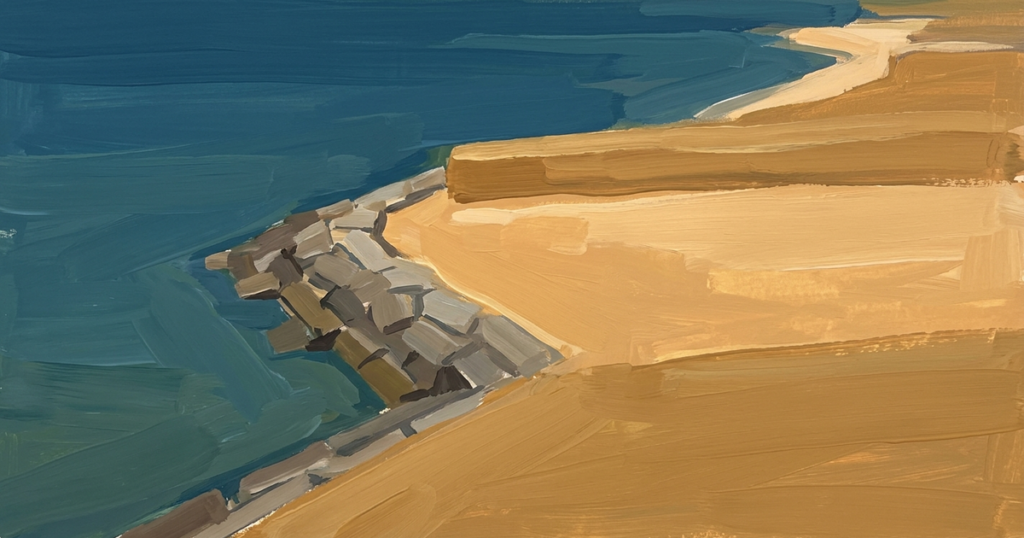
Most Lake Michigan buyers walk the beach, fall in love with the view, and close. Then they’re surprised by costs that start stacking up.
Bluff erosion on the Lake Michigan shoreline can run $200,000 to $300,000 on a single property. That number does not include drainage engineering, permit costs, or HOA special assessments.
Buyers who ask the right questions before making an offer avoid that outcome. Those who do not ask pay for it after closing.
ABOUT THE EXPERT
Paul DeLano is the Broker and Owner of The Lake Life Realty Group. Known locally as the “Lake Guy,” Paul has over 30 years of combined experience in real estate, mortgage finance, and land development. Since 2012, he has been the #1 Inland Lake REALTOR® in Southwest Michigan, holding the highest market share for lakefront sales across Cass, Berrien, St. Joseph, Kalamazoo, and Van Buren counties. He focuses exclusively on buying and selling lake properties, tailoring the experience for local residents and second-home buyers from the greater Chicago and Indiana areas.
Lake Michigan Shoreline Erosion Costs Are Real
Lake Michigan water levels move in long cycles. Between 2015 and 2020, levels rose sharply, and erosion hit hard along the Southwest Michigan shoreline. Some properties lost their beaches entirely. Others watched their bluffs crumble.
Water levels have pulled back since then. Beaches are reappearing in some stretches, but not everywhere. There is no guarantee the cycle will not turn again.
That cyclical reality matters because buyers who purchase during a calm period rarely anticipate what a high-water cycle does to a shoreline. When it hits, the fix is not cheap.
Installing a seawall and stone revetment along an eroding bluff runs $2,000 to $3,000 per linear foot. On a property with 100 feet of frontage, that is a $200,000 to $300,000 problem.
HOA communities along the shoreline have levied multi-year special assessments on every homeowner in a development to cover shared bluff protection, and those costs compound fast.
Drainage is the piece buyers most consistently overlook. Erosion does not only happen from wave action at the base of a bluff. It also comes from the top, when rainwater and runoff pour over the edge without a proper system redirecting that water away from the bluff face.
A well-designed drainage system channels water down to the base and out toward the lake rather than letting it sheet over the top. Without one, even a healthy bluff can deteriorate faster than anyone expects.
EGLE Erosion Designations Control What You Can Build and Where
The Michigan Department of Environment, Great Lakes, and Energy designates certain shoreline areas as high-risk erosion areas (HREAs). HREA is defined as bluff loss exceeding one foot per year over a 15-year measurement period. If a property falls inside one of these designated zones, the implications are significant and immediate.
Existing homes within those setbacks face restrictions on what can be built, added to, or improved toward the lake. New builds in a HREA must sit on a movable foundation so the structure can be relocated if the bluff continues to retreat.
Critical dunes designations add an entirely new regulatory layer. These protected areas are scattered along the Southwest Michigan shoreline. Inside these zones, EGLE must permit virtually everything: driveways, decks, vegetation removal, and more.
One property we recently reviewed had 5 acres and 350 feet of Lake Michigan frontage. However, the topography and critical dunes designation meant that a driveway alone would have cost approximately $1 million.
Drew Vinton is a REALTOR® with deep roots in the southwest corner of Michigan’s Lake Michigan shoreline. He operates in Chikaming Township, New Buffalo, and the communities surrounding the Indiana border.
“If they bought a property that had an eroded bluff that was continually eroding and they weren’t aware of that, they would have to install a seawall and a revetment, a stone revetment along the lake. Those were $2,000 to $3,000 a foot. So you can have a significant expense. A lot of even association neighborhoods, HOAs with site condominiums or pools and things on the bluff, there were big special assessments levied on each home in the development because they needed to protect the bluff. If you’re not aware of it, it can cost a lot of money.” – Drew Vinton, REALTOR®, Lake Michigan Shoreline Specialist
The point is not to scare you away from these properties. Buyers who understand the regulatory picture going in can price correctly, negotiate with confidence, and budget for what is actually in front of them.
Not sure what erosion or critical dunes designations apply to a property you are considering? Reach out to the Lake Life Realty team and get the right questions on the table before you fall in love with the view.
Lake Michigan Frontage Ranges from $5,000 to $40,000 Per Foot for a Reason
Not all Lake Michigan frontage is worth the same amount. On this stretch of the Southwest Michigan shoreline, price per front foot runs from $5,000 to $40,000. It can also vary depending on bluff height, beach condition, and whether the sand is actually accessible.
Properties with low bluffs and wide sandy beaches command the high end of that range. Properties where the revetment runs to the waterline, and waves wash against rock on a windy day, sit at the low end, for good reason. Beach quality is not cosmetic. It drives how usable the property is, and usability drives value.
That spread matters in both directions. Buyers need to understand what they are actually getting for the price. Sellers need a pricing strategy that accounts for what the beach actually delivers, not just what the frontage number says on paper.
Read our post about how usability drives value for a closer look. It’s worth a read if you’re planning to buy a lake home in Southwest Michigan.
Documented Beach Access Is Not Optional Due Diligence
Two questions come up repeatedly when working with serious Lake Michigan buyers, and most buyers never think to ask either one before making an offer.
The first question is about the property’s environmental status. This refers to the critical dunes and high-risk erosion area designations under EGLE’s shoreline regulatory framework. Buyers need to understand whether these designations exist and what limitations they put on the land.
The next question is about whether the property has documented beach access. A home a quarter mile from the water with assumed community beach access sounds fine until you realize it is not recorded in the deed.
These are the questions an experienced Lake Michigan specialist asks before you ever fall in love with the view. What appears in a listing description does not create any legal rights. Only recorded documents do.
Questions Buyers Ask About Lake Michigan Bluff Erosion
What is a high-risk erosion Area designation on Lake Michigan?
It is a state environmental designation concerning shoreline erosion.
EGLE designates properties as HRAs when a bluff loses an average of one foot per year over a 15-year measurement period. Properties within these zones are subject to restrictions on new construction, additions, and improvements.
How much does bluff erosion repair cost on Lake Michigan?
Installing a seawall and stone revetment along an eroding Lake Michigan bluff typically runs $2,000 to $3,000 per linear foot. For a property with 100 feet of frontage, total costs can range from $200,000 to $300,000. HOA communities along the shoreline have levied multi-year special assessments on individual homeowners to cover shared work for bluff protection.
What is a critical dunes designation, and how does it affect what I can build?
Critical dunes are state-protected shoreline areas regulated by EGLE. Within these zones, permits are required for nearly everything, including driveways, decks, vegetation removal, and access path grading. In some cases, the cost and complexity of complying with these requirements make certain improvements impractical or prohibitively expensive.
Why does the Lake Michigan frontage price per foot vary so widely?
Price per front foot on this stretch of the Southwest Michigan Lake Michigan shoreline ranges from $5,000 to $40,000. The spread reflects bluff height, beach width, sand accessibility, and whether erosion control structures limit the usable beach. A low bluff with wide sandy frontage commands a premium. A high bluff with revetment at the waterline sits at the low end because the beach, for practical purposes, does not exist at high water.
Ask the Right Questions Before Looking at Properties
Buyers who understand erosion, access, and regulation avoid expensive surprises after closing. The right questions upfront protect both your budget and your long-term plans.
The Lake Life Realty team helps buyers uncover these risks before they commit to a property. Get in touch to start your property search today.
Paul DeLano is the founder of The Lake Life Realty Group. With over 30 years of combined experience in real estate, mortgage finance, and land development, Paul has closed more than 1,069 Michigan lake property sales since 2012 and holds the highest market share for lakefront sales in Southwest Michigan.
¹ Information based on inland lake sale information provided by Southwestern Michigan Association of REALTORS® based on inland lake sales in Cass, Berrien, St. Joseph, and the southern half of Kalamazoo and Van Buren counties.
*Information based on Lake Michigan waterfront and lake access provided by the Southwest Michigan Association of Realtors based on sales from Stateline to South Haven.